
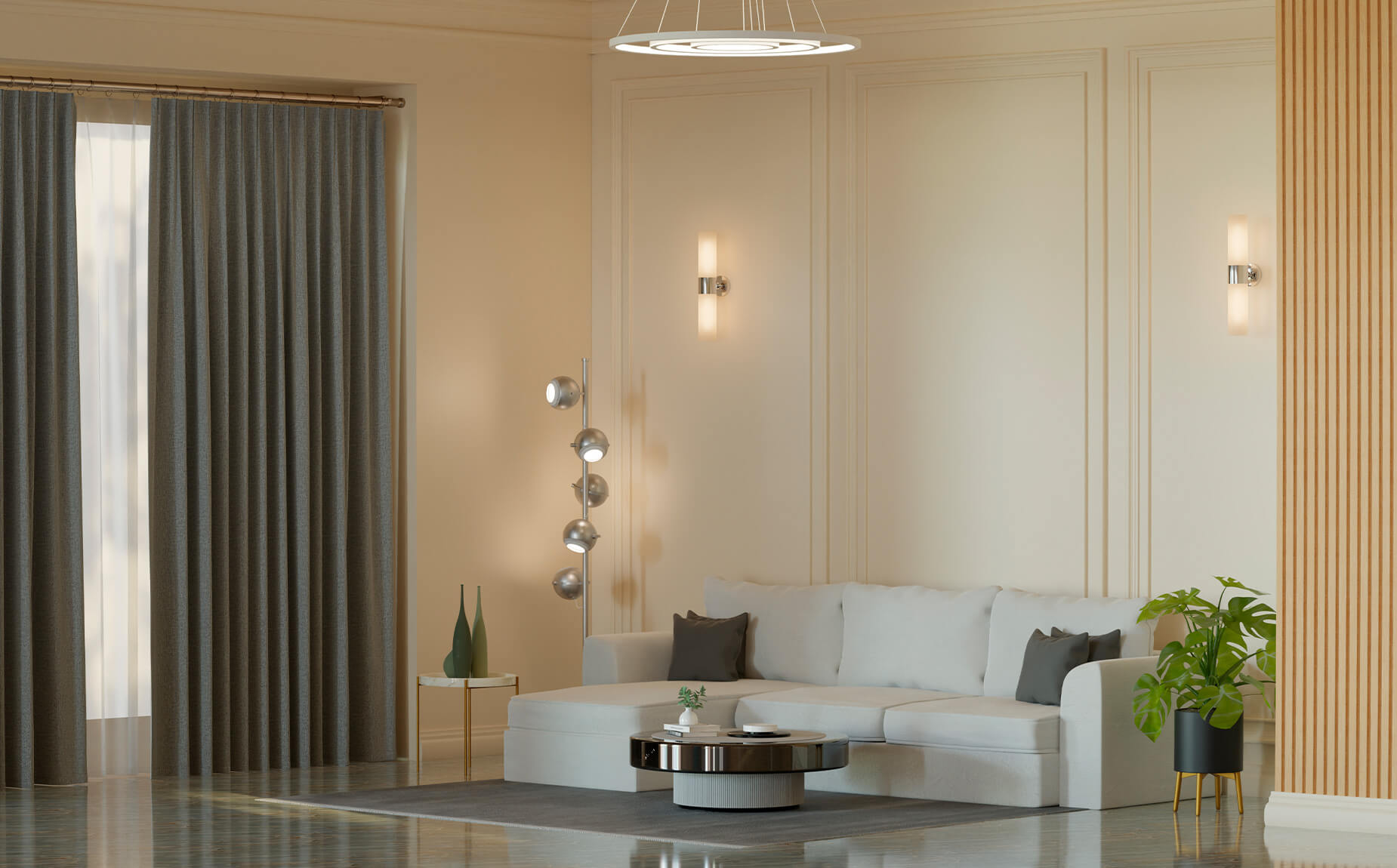
Walk into almost any home that was renovated 10–15 years ago, and you can spot the era instantly. The espresso cabinets. The gray laminate floors. The barn doors. The ubiquitous quartz waterfall island. These choices weren’t bad, they were simply of their time. And that’s the problem. Most renovations age poorly because they chase trends rather than principles.
A truly timeless interior doesn’t freeze your home in a particular decade. Instead, it evolves gracefully, staying relevant as styles shift. The good news is that timeless design isn’t mysterious or reserved for luxury homes. It’s the result of a few smart, disciplined decisions.
The Real Reason Renovations Look Dated So Fast
1. Trend Cycles Move Faster Than Ever
Social media accelerates design trends at lightning speed. What once took a decade to saturate now becomes overexposed in a year. When a look becomes too common, it loses its freshness.
2. Builders and Big-Box Stores Push Uniformity
Mass-produced materials and “builder-grade” packages create a sameness that feels generic. When everyone buys the same subway tile or the same greige paint, the result is predictable, and forgettable.
3. People Renovate for Resale, Not for Living
Designing for an imaginary future buyer leads to safe, bland choices. Ironically, this often hurts resale value later because the home feels dated by the time it hits the market.
4. Over-Designing a Space
When every surface is patterned, every wall has a feature, and every room has a “moment,” the home becomes visually exhausting. Maximal renovation rarely ages well.
What Timeless Interiors Actually Have in Common
Timeless design isn’t about copying a specific style. It’s about creating a foundation that can adapt.
You don’t need artisanal carpentry or rare stone to create a timeless home. In today’s renovation landscape, timelessness comes from:
- choosing the simplest, most classic version of what is available
- restrained palettes
- using color, hardware, and proportion to elevate mass‑produced elements
- keeping the envelope calm and adaptable
How to Renovate Today Without Regretting It Tomorrow
Here’s how to future-proof your renovation without sacrificing personality.
1. Keep Permanent Elements Simple
Floors, tile, cabinetry, and architectural features should be understated and high quality. Let the “fun” happen in items that are easy to change:
- Lighting
- Hardware
- Paint
- Textiles
- Decor
These are your style playground.
2. Avoid Overly Specific Statement Pieces
A bold stone countertop can be timeless. A purple-veined marble waterfall island? Probably not. The more unusual the choice, the faster it dates.
3. Choose Shapes That Have History
Arches, shaker cabinets, pedestal sinks, and simple paneling have been around for centuries. They don’t scream any particular decade.
4. Think in Layers, Not Themes
A “farmhouse” or “mid-century modern” theme locks you into a look. Instead, build a layered interior that blends influences subtly.
