
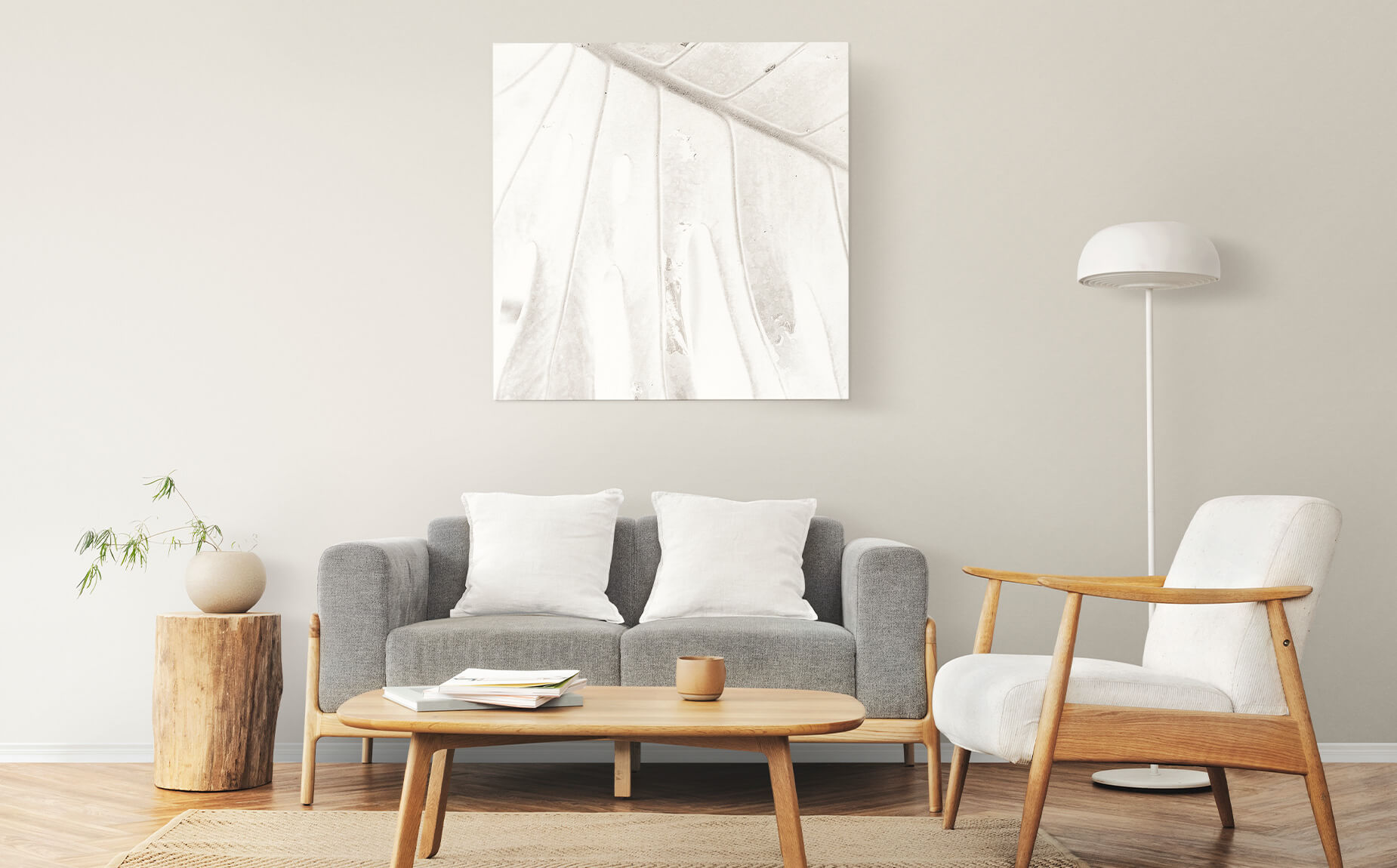
You’ve bought the sofa everyone recommended. The rug that had five‑star reviews. The coffee table that looked perfect in the showroom. You followed the mood boards, pinned the inspiration photos, and maybe even splurged on a few “statement pieces.”
And yet… your home still doesn’t feel cohesive. Something is off. The space looks fine, but not finished. Not like the vision you had in your head.
If this sounds familiar, you’re not alone. In fact, this is one of the most common frustrations people have with decorating. The good news? There are clear reasons this happens, and none of them mean you made bad choices.
Let’s break down why your home might still feel incomplete, and what actually brings a space together.
You bought good pieces – but not a good plan
Most people shop item by item. Designers build a room as a whole.
When you buy things individually, even beautiful, high‑quality things, they don’t automatically relate to each other. A room comes together when the pieces share a visual language: scale, color, texture, style, and purpose.
The fix: Create a full-room plan before buying anything else. This includes a color palette, layout, lighting plan, and a clear understanding of the mood you want the space to evoke.
You focused on the big items but skipped the layers
A sofa, rug, and coffee table are the bones of a room. But bones alone don’t make a living, breathing space.
What’s usually missing:
- Window treatments
- Lighting variety (ambient + task + accent)
- Textiles (pillows, throws, upholstery contrast)
- Styling (books, trays, plants, ceramics)
- Wall art
- Decorative accents
These layers add depth, personality, and warmth, the things that make a room feel lived in rather than staged.
The fix: Think of decorating like getting dressed. The big furniture pieces are your outfit. The layers are your jewelry, shoes, and bag. Without them, the look feels unfinished.
The scale and proportions are off
You can buy the most beautiful furniture in the world, but if the scale is wrong, the room will never feel right.
Common issues:
- Rug too small
- Sofa too bulky
- Coffee table too tiny
- Art hung too high
- Lamps too short
- Too many small pieces in a large room
The fix: Measure everything. Then measure again.
A room feels harmonious when the proportions of each piece relate to the architecture and to each other.
The color palette isn’t cohesive
You might have chosen colors you love, but if they don’t harmonize, the room will feel visually noisy or disconnected.
Even neutrals can clash if undertones fight each other.
The fix: Choose a palette of 3–5 colors and repeat them throughout the room in different ways: textiles, art, accessories, and finishes. Repetition creates rhythm, and rhythm creates cohesion.
You’re missing contrast
A room full of “nice” things can still feel flat if everything is too similar.
Too much of any one element, all light woods, all soft neutrals, all sleek surfaces, makes a space feel one‑note.
The fix: Add contrast through:
- Dark vs. light
- Matte vs. glossy
- Soft vs. structured
- Warm vs. cool
- Old vs. new
Contrast is what makes a room visually interesting.
The room lacks personality
This is the part no store can sell you.
A home feels “finished” when it reflects you, your interests, your travels, your memories, your quirks. Without personal elements, a space can feel like a catalog page.
The fix: Incorporate:
- Books you actually read
- Art you genuinely love
- Vintage or handmade pieces
- Items with history or meaning
- Objects that tell your story
A room becomes yours when it stops trying to look like someone else’s.
The real secret: a home comes together through intention, not just purchases
Buying the right things is only half the equation. The other half is how those things relate, to each other, to the architecture, and to the life you live inside the space.
When you shift from “collecting items” to “curating a cohesive environment,” everything changes.
If your home still isn’t coming together, it doesn’t mean you’ve failed. It means you’re closer than you think, you just need the final layers, the right proportions, and a clear design direction.
Give yourself permission to adjust, edit, and refine. Good design is iterative.
